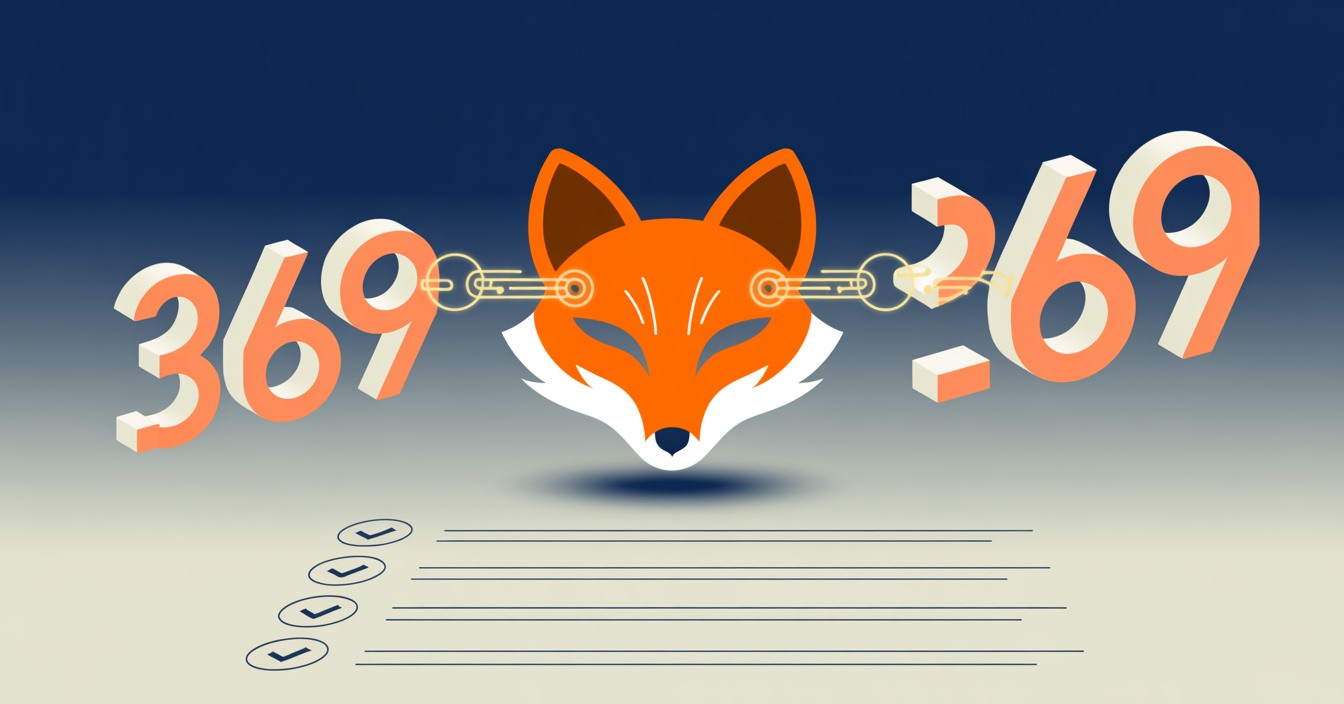
**In one sentence:** To use PulseChain, add the network to MetaMask (Chain ID 369), verify the RPC and explorer, and secure your wallet before bridging or swapping.
Nothing here is a recommendation to buy, sell, or participate in any token sale or sacrifice. Treat every on-chain action as irreversible until proven otherwise, and double-check addresses and permissions before signing.
Key takeaways
- Never import seed phrases into random sites; MetaMask should be your only wallet interface for that seed.
- Fake network prompts exist—verify chain ID and endpoints.
- Hardware wallets add an extra layer for long-term holds.
Let’s connect the dots.
Before you start
- A wallet you control (MetaMask or another EVM wallet) — MetaMask PulseChain.
- A small amount of PLS for gas (or a plan to get it)
- A calm mindset—rushing is how people lose funds
- A safe place to store your seed phrase (offline)
Step-by-step walkthrough
Step 1
Install MetaMask from the official source and create a wallet securely.
Step 2
Open Settings → Networks → Add Network (manual) or use a reputable one-click add.
Step 3
Enter PulseChain network details (Chain ID 369) and save.
Step 4
Switch to PulseChain and verify the network name and chain ID before transacting.
Step 5
Add tokens by contract address and start with a small test transaction.
Network settings (copy carefully)
Network Name: PulseChain
RPC URL: https://rpc.pulsechain.com
Chain ID: 369
Currency Symbol: PLS
Block Explorer: https://ipfs.scan.pulsechain.com
Tip: Don’t paste network settings from random screenshots. Double-check Chain ID and the explorer before you save.
Common mistakes that break things
- Being on the wrong network when you try to swap or bridge.
- Having tokens but not having gas (PLS) to move them.
- Approving unlimited spending to an unknown contract.
- Using extreme slippage and getting terrible execution.
Safety checklist
- Never import seed phrases into random sites; MetaMask should be your only wallet interface for that seed.
- Fake network prompts exist—verify chain ID and endpoints.
- Hardware wallets add an extra layer for long-term holds.
Frequently asked questions
Can I use MetaMask on mobile?
Yes. Mobile works, but double-check network settings and beware of fake in-app browsers.
What’s the #1 beginner mistake?
Approving unlimited token allowances to unknown contracts. Use approvals carefully and revoke when possible.
Is MetaMask PulseChain beginner-friendly?
Yes if you take it step-by-step. Start small, verify addresses, and avoid rushing the first time.
Can this expose my wallet?
Your address is public on-chain, but you should avoid signing messages or approvals on unknown sites. Viewing data is safer than interacting.
What should I know about MetaMask PulseChain before I act?
Focus on verification (correct contracts and domains), liquidity depth, and the exact steps required. Most losses come from avoidable operational mistakes.
Conclusion
If you remember one thing: in DeFi, the best edge is clarity. setting up MetaMask for PulseChain the safe way rewards people who take 10 minutes to understand the system before they move money.
If you want, I can also generate a keyword list + related topic cluster ideas for internal linking next.
Deep dive: the nuance most people miss
When people talk about setting up MetaMask for PulseChain the safe way, they often focus on the headline feature and ignore the workflow around it. In practice, the workflow is where wins and losses happen.
A good mental model is to split every on-chain action into three layers: the UI you click, the smart contract you interact with, and the economic incentives underneath. If any layer is weak, you can still lose money even if the other two are strong.
If you’re using analytics tools, remember that ‘data’ is not the same as ‘truth.’ Data is a snapshot of an evolving system. The truth is the chain state — and even that can be misread if you don’t know what you’re looking at.
If you’re executing transactions, the biggest edge is not speed. It’s precision: correct chain, correct token, correct slippage, correct approvals, and a clean wallet setup.
Finally, don’t underestimate social pressure. Crypto moves fast because people move fast — often without verifying. Your job is to slow down for 60 seconds and verify what everyone else is assuming.
When people talk about setting up MetaMask for PulseChain the safe way, they often focus on the headline feature and ignore the workflow around it. In practice, the workflow is where wins and losses happen.
A good mental model is to split every on-chain action into three layers: the UI you click, the smart contract you interact with, and the economic incentives underneath. If any layer is weak, you can still lose money even if the other two are strong.
If you’re using analytics tools, remember that ‘data’ is not the same as ‘truth.’ Data is a snapshot of an evolving system. The truth is the chain state — and even that can be misread if you don’t know what you’re looking at.
If you’re executing transactions, the biggest edge is not speed. It’s precision: correct chain, correct token, correct slippage, correct approvals, and a clean wallet setup.
Also, don’t underestimate social pressure. Crypto moves fast because people move fast — often without verifying. Your edge is to slow down for 60 seconds and verify what everyone else is assuming.
When people talk about setting up MetaMask for PulseChain the safe way, they often focus on the headline feature and ignore the workflow around it. In practice, the workflow is where wins and losses happen.
A good mental model is to split every on-chain action into three layers: the UI you click, the smart contract you interact with, and the economic incentives underneath. If any layer is weak, you can still lose money even if the other two are strong.
If you’re using analytics tools, remember that ‘data’ is not the same as ‘truth.’ Data is a snapshot of an evolving system. The truth is the chain state — and even that can be misread if you don’t know what you’re looking at.
If you’re executing transactions, the biggest edge is not speed. It’s precision: correct chain, correct token, correct slippage, correct approvals, and a clean wallet setup.
Also, don’t underestimate social pressure. Crypto moves fast because people move fast — often without verifying. Your edge is to slow down for 60 seconds and verify what everyone else is assuming.
Glossary: quick definitions
RPC
The endpoint your wallet uses to read blockchain data and submit transactions.
WebSocket (WSS)
A live connection for real-time updates like trades, blocks, and events.
Slippage
The difference between your expected price and the executed price, often worse in illiquid pools.
Liquidity
How easily you can trade without moving the price too much.
Smart contract
Code on-chain that executes swaps, lending, staking, farming, and more.
Allowance
Permission you grant a contract to spend your token (can be limited or unlimited).
Impermanent loss
A potential loss vs just holding tokens when providing liquidity to AMMs.
Extra checklist: a 60‑second safety scan
- Verify the chain (PulseChain) and Chain ID before signing.
- Copy/paste contract addresses—never trust token tickers alone.
- Run a tiny test transaction first, then scale up.
- Avoid unlimited approvals unless you absolutely need them.
- Keep a backup RPC and a second explorer bookmarked.
- If a site pressures you to hurry, step back and verify again.